
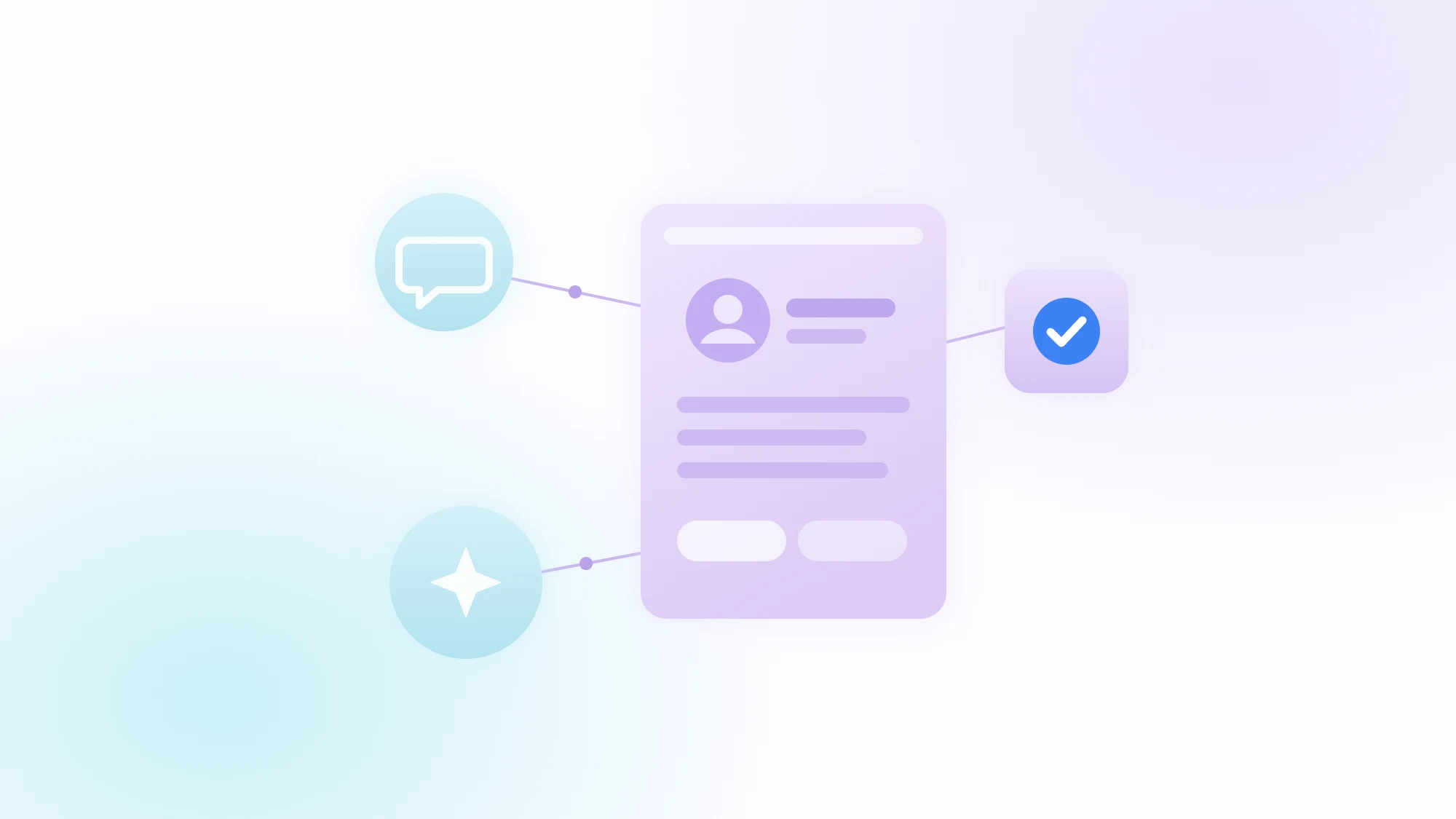
This week OpenAI launched Businesses in ChatGPT, and we think it is one of the most important changes for brand visibility this year. For the first time, a business can put its hand up inside ChatGPT and say: this is us, this is what we offer, and this is how we would like to be described.
If that sounds familiar, it should. It is the same idea that made Google Business Profile essential for every business with a shopfront or a website. The difference is where it happens: inside the conversations millions of people are now having with AI before they ever open a search results page. We are already testing it with our clients, and here is why we are all over it.
First, what actually is it?
Businesses in ChatGPT went live in beta on 10 November 2026. It sits in a new Business Hub area of ChatGPT and comes in two parts.
Business Hub is where a business claims its profile and looks after it. Once a profile is claimed and verified, a business can:
- correct its website, description, category and logo
- set out its delivery and returns policies
- upload a product feed with current products, prices and stock
- see how often ChatGPT mentions it, how many people click through to its website, and the topics it is being discovered for, over the last 28 days
Verification is straightforward. A business proves it is who it says it is with a code sent to its phone or email, a small record added to its website's domain settings, or by logging in through its Shopify store. Verified profiles earn a blue tick.
Business Agents are the second part. A Business Agent is an assistant a business sets up inside ChatGPT, trained on its own products and policies, that answers customer questions and helps people explore what it offers. OpenAI's rules are clear: the agent must say it is an AI representing the business, must never invent offers, prices or reviews, and cannot make a purchase or booking without the customer's explicit permission.
As TechTarget reported, this puts ChatGPT in direct competition with Google Business Profile, the tool businesses have used for years to verify and update how they appear on Google.
Why it matters for your brand
Until now, how ChatGPT described your business was largely out of your hands. It pieced together an answer from whatever it could find: your website, review sites, directories, articles and forum threads. If that information was out of date or wrong, there was no simple way to put it right.
Businesses in ChatGPT changes that in three important ways.
- You get a say in the facts. A verified profile gives ChatGPT a source of truth that comes straight from you: your categories, your policies, your products and your prices.
- You can finally see what is happening. Mentions, website clicks and discovery topics give us a first-party view of AI visibility that, until now, could only be estimated from the outside.
- It builds trust. A verified tick tells people they are looking at the real business, not a copycat or an outdated listing.
It is worth being clear about what it is not, too. OpenAI's own guidance says a product feed does not guarantee recommendations, and ChatGPT will still draw on other sources when it talks about you. A claimed profile is not a shortcut to the top of every answer. It is the foundation. The work that earns AI recommendations, such as helpful content, strong reviews and a well-structured website, still matters as much as ever.
There are also sensible questions about data. Analysts quoted by TechTarget raised concerns about how much business information OpenAI will hold. For now, OpenAI says owners cannot see individual customer conversations, and figures only appear once there are enough conversations to report on. We will keep a close eye on how that develops.
What we are doing about it
This is a priority for us, and we have jumped straight on it. We are already testing Businesses in ChatGPT with our clients: working through the claim and verification steps, checking the details ChatGPT holds, and learning how the new insights line up with what we already measure.
We are genuinely excited. This is one of the first real chances for brands to have a say in how AI represents their business, and we expect more opportunities like it to follow.
The beta is still finding its feet, especially outside the US. Access is being opened up gradually, so many accounts, ours included, are still on a waitlist before they can claim a profile. OpenAI does not publish a list of supported countries, shopfronts and restaurants can currently only claim existing US listings, and Business Agents are limited to US online businesses for now. Online businesses with their own website have the clearest path today. That is exactly why we test as we go: so every client gets steps that work for an Australian business.
Now we are rolling it out across every client we work with. Your profile should always sit on your own account, so we send each business the steps to claim it from their marketing email or the email they use for Google Business Profile, then help finish the setup. Looking after your ChatGPT profile will sit alongside your Google Business Profile as a standard part of how we look after your visibility, and the new insights will feed straight into the AI visibility reporting you already see in your portal.
If you have not already, get yourself on the waitlist now: open Business Hub in ChatGPT and join the list. Hopefully OpenAI will start letting more brands through soon.
What you can do now
Whether you work with us or not, here is how to get ready.
- Ask ChatGPT about your business. Search for your brand and your main products, and note anything that is missing, out of date or simply wrong.
- Check your details match everywhere. Your name, address, phone number, opening hours and policies should read the same on your website, your Google Business Profile and the main directories. ChatGPT cross-checks what it finds.
- Get your verification ready. Make sure someone in the business can receive a code at your listed phone or email, or can access your domain settings or Shopify admin. If Business Hub shows a waitlist when you open it, join it now so you are ready when access opens.
- Tidy your product feed. If you sell online, accurate titles, prices and stock levels in your feed will make the most of Business Hub's product upload.
- Keep earning the recommendation. Helpful pages, genuine reviews and clear answers to your customers' questions are still what persuade AI to mention you.
The bottom line
AI assistants are fast becoming the first place people go to decide who to buy from. Businesses in ChatGPT is the first real chance to take ownership of how one of the biggest of them sees your brand. It is early, it is a beta, and it will change. That is exactly when it pays to get in early.
If you are a True North Digital client, look out for an email from your account manager with the steps to claim your profile. It takes about ten minutes. If you are not, and you would like help understanding how AI sees your business, get in touch with our team.
Sources
- OpenAI's Businesses in ChatGPT targets enterprise trust, TechTarget, 11 November 2026
- OpenAI's Business Hub lets you manage your business in ChatGPT, Tech-ish, 11 November 2026


Latest News
 The Open Knowledge Format has landedWhy we’re paying attention to the first real standard for feeding AI your knowledge — and what adopting it early means for how the machines describe your brand.
 Google Analytics Can Finally See Your AI Traffic. Here Is Why That Changes Your ReportingGA4 now has a dedicated AI Assistant channel that measures visits arriving from ChatGPT, Gemini, Perplexity and Copilot — the traffic your reports have been filing under Referral.
 The May 2026 Google Core Update Has Finished Rolling Out: What Moved, Why, and What To Do NextTwelve days of ranking movement have settled. Where the volatility hit, which sites moved and the work worth doing before the next one.